From Geneva to the Classroom
What a first-time voter should recognise from school, and how we plan to make sure they do.
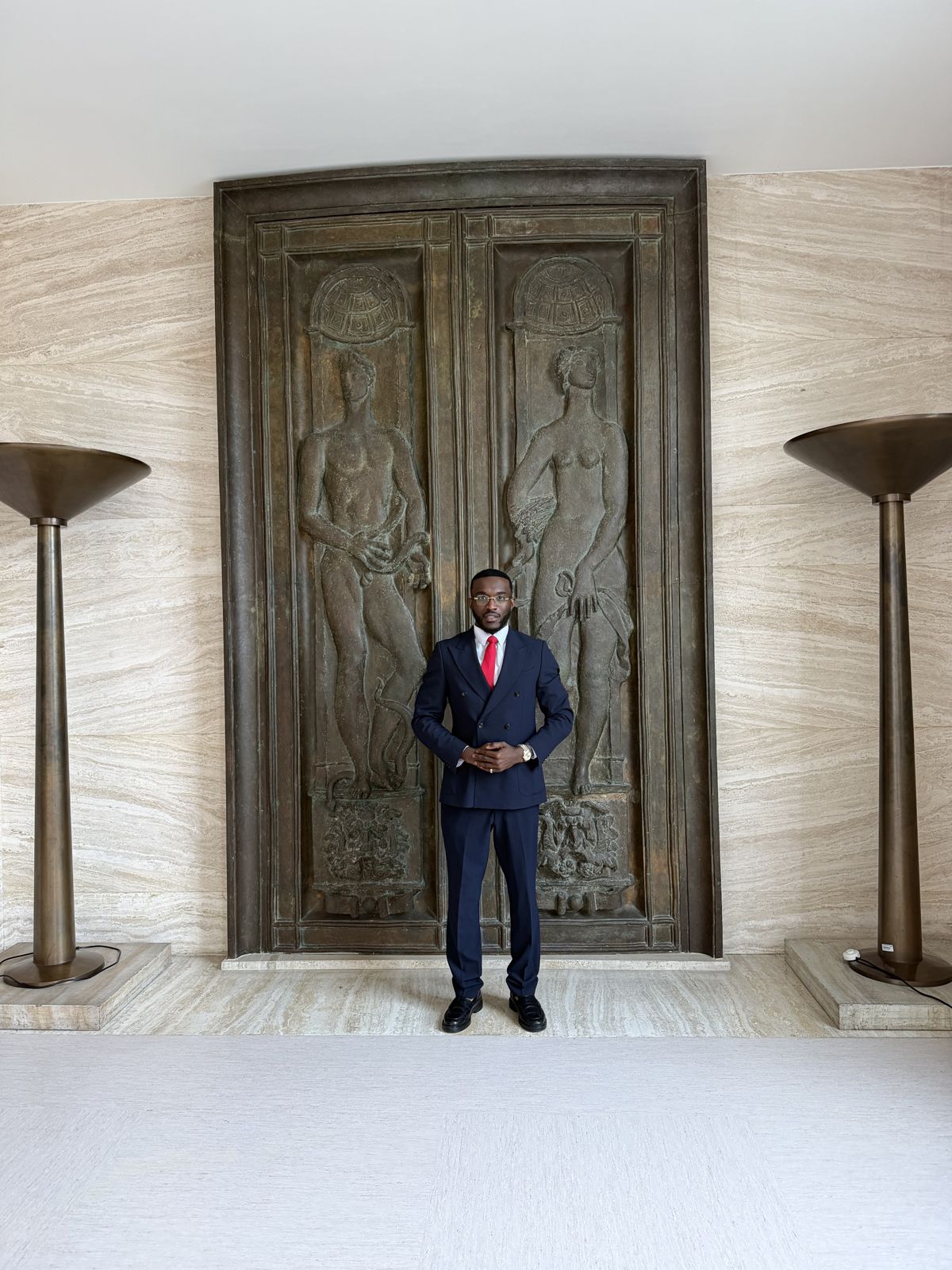
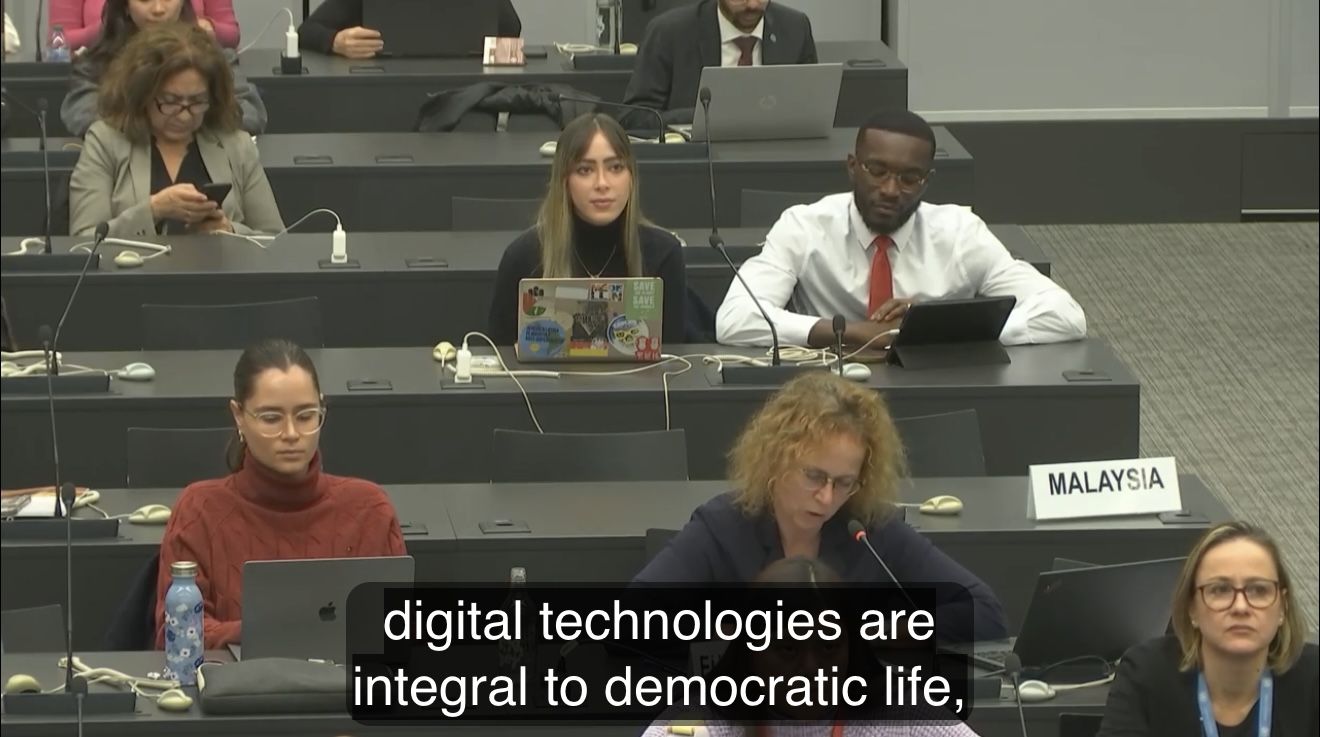
On 16 and 17 November 2026, I represented Supreme Education at the Sixth Session of the United Nations Forum on Human Rights, Democracy and the Rule of Law at the Palais des Nations in Geneva. This year's theme was very close to the work we do every day.
"Education for civic participation: empowering future generations, fostering knowledge and critical thinking"
Over two days, ministers, UN officials, researchers, teachers, campaigners and young people from around the world discussed one shared question: how do we prepare people not only to understand democracy, but to take part in it?
The question I kept coming back to
Throughout the forum, one question stayed with me.
If a young person walked into a polling station for the first time tomorrow, would anything we had taught them at school feel familiar?
For too many young people, the honest answer is no. Some reach voting age without ever having seen a ballot paper. They may care deeply about a bus route being cut or a youth club closing, yet have had little opportunity to learn who makes those decisions or how to be heard.
We often call young people our future leaders. They also have something to say about the places they live in today.

What I heard in Geneva
The programme moved from the big picture to the classroom. Opening statements from the UN High Commissioner for Human Rights, education ministers and the UN Assistant Secretary-General for Youth Affairs set out why civic education matters for democratic resilience. Researchers then looked at what the evidence says about which learning experiences lead to lasting civic engagement.
Several sessions spoke directly to our work:
Democracy in the classroom
Schools teach citizenship as much through how they work, including how pupils are listened to and how decisions are made, as through what appears in the curriculum. Students from democratic schools in Estonia and Sri Lanka shared what it is like to help run their own learning communities.
Education for whom?
A panel on diversity, equality and inclusive democracy asked who is able to take part in civic life, and whose voices are left out. It included a representative of people with intellectual and developmental disabilities, a reminder that inclusion has to be designed in from the start.
Young people leading the way
Young activists, a former youth senator and participants in citizens' assemblies described the many ways children and young people already take part in civic life, from community organising to working with local and national government.
Learning through play and technology
Sessions on games, virtual reality and digital tools showed fresh ways to make democracy feel real and engaging, alongside honest discussion of the risks of the online world.

Conversations that stayed with me
Some of the most valuable moments came in the conversations after the sessions. I spoke with fellow educators, advocates and practitioners about the young people we work with at Supreme Education, including pupils with special educational needs and disabilities (SEND).
One conversation in particular stayed with me. A parent told me how online tutoring had helped their child access education, and asked whether we had resources to share. It was a powerful reminder that the way we teach citizenship matters as much as what we teach.
I came home with new contacts, new ideas and a clear sense that schools and education providers around the world are wrestling with the same challenge we are. We look forward to keeping these conversations going.
What happens next at Supreme Education
I want to make citizenship a practical, hands-on part of our curriculum. Here is what that will look like:
- 1
Pupils choose the issue
Each group will pick something they genuinely care about in their community.
- 2
They hear different views
Pupils will explore different perspectives and learn to weigh arguments for themselves.
- 3
They hold a mock vote
Along the way, we will teach how to register, where to vote, what happens at a polling station and why the result matters.
- 4
Everyone takes part on their own terms
Easy Read guides, picture ballots and different ways to express a choice will help pupils with SEND participate independently and with confidence.
We will begin by asking our pupils this one simple question. Then we will help them take it to someone who can act on it.
Get involved
If you are a parent, carer, school or local organisation and would like to get involved, or if you are looking for accessible citizenship resources for a young person you support, we would love to hear from you.
Supreme Education operates independently of the United Nations. Taking part in UN meetings does not mean the United Nations endorses our organisation, services or programmes.